Exploration
The rockets, spacecraft and missions that carried us off the planet, and the people who flew and built them. From the first satellites to today's crewed flights, these are the stories of how spaceflight actually happened, including the close calls and the plans that never left the ground.
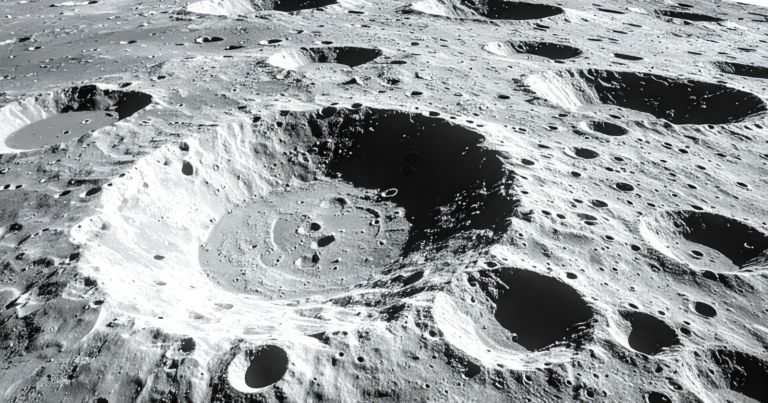 The first photos of the far side of the Moon, taken by a Soviet probe in 1959, were shot on American film salvaged from downed US spy balloons, then developed, dried and scanned inside the spacecraft before being radioed back to Earth
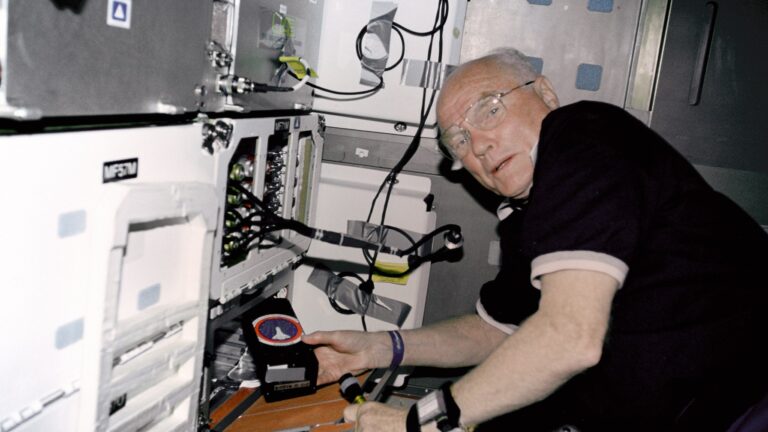 On 29 October 1998 John Glenn went back into orbit at 77, 36 years after he became the first American to circle Earth, and he is still the oldest person ever to reach orbit
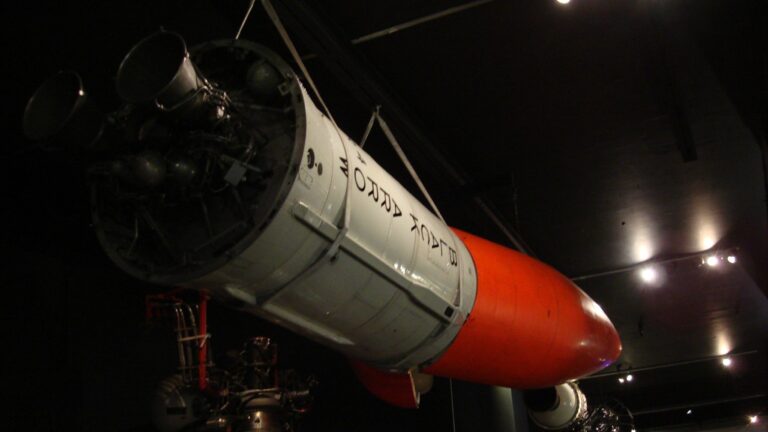 On 28 October 1971 Britain put a satellite into orbit on its own rocket for the first and only time, three months after it had cancelled the rocket
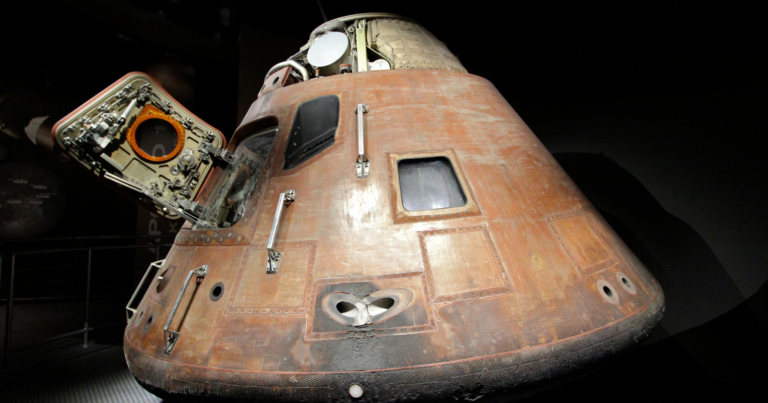 In August 1961 a 25-year-old Soviet cosmonaut named Gherman Titov spent a full day in orbit and became the first person to sleep in space, and he overslept by about half an hour, waking up to find his arms floating in the air in front of him
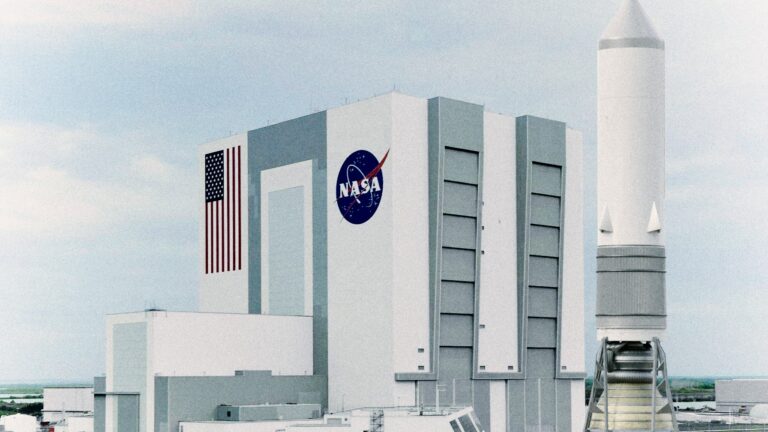 In 1962 an American engineer designed a 150-metre rocket that would be built in a shipyard, towed out to sea and launched straight out of the ocean, able to lift 550 tonnes into orbit, more than the entire International Space Station
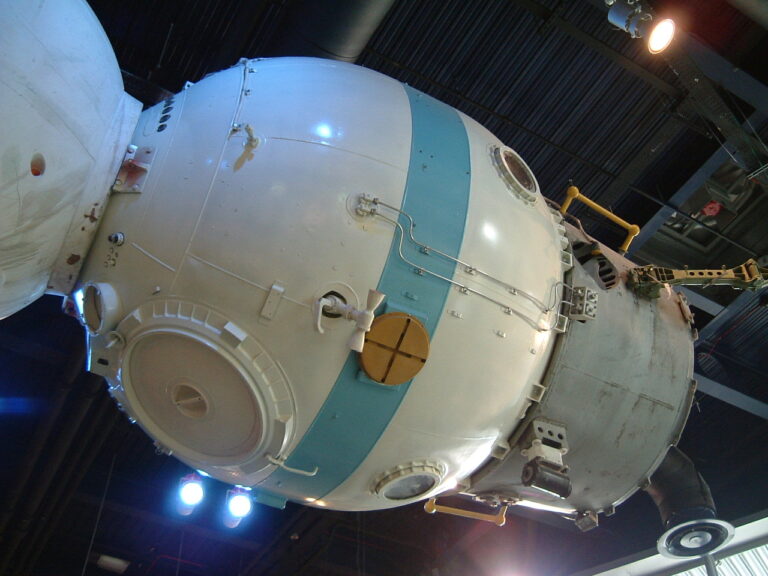 In 1968 a Soviet cosmonaut got within 200 metres of an empty Soyuz and burned almost all his fuel trying to dock, because it was upside down relative to him.
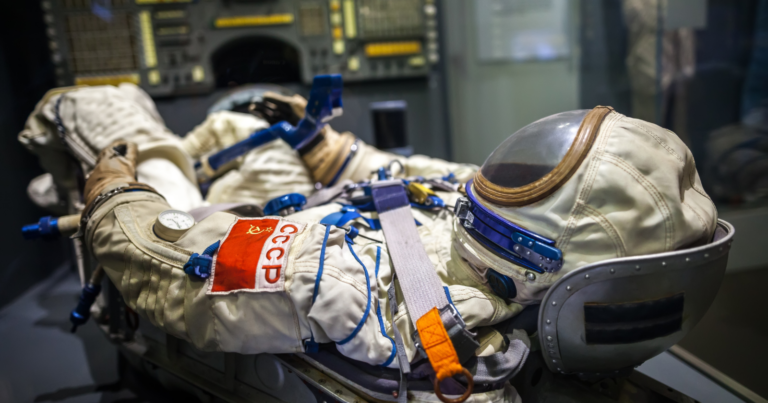 Before Yuri Gagarin flew in 1961, the Soviet Union sent a life-size mannequin into orbit with a sign under his visor reading “dummy”, and so radio listeners wouldn’t mistake him for a real cosmonaut, he played a recording of a choir and a recipe for beetroot soup
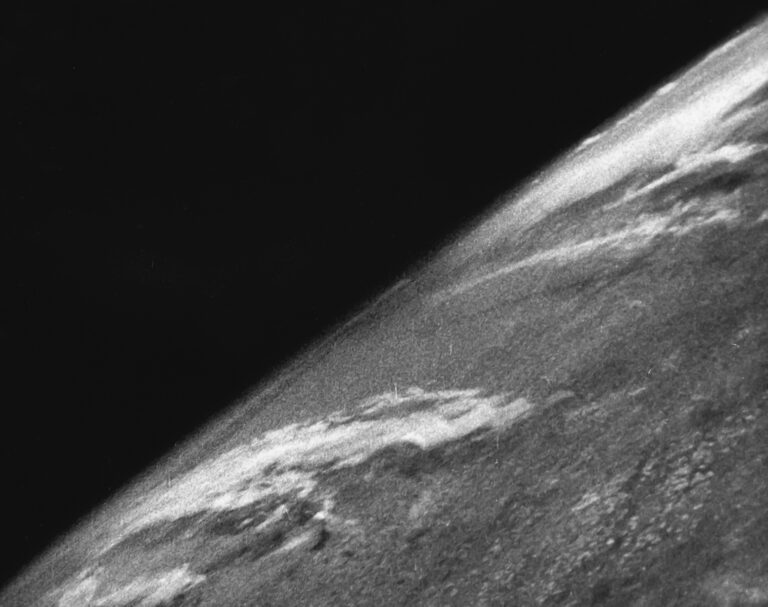 On 24 October 1946 a camera mounted on a captured German V-2 rocket took the first photograph of Earth from space, from about 105 km over New Mexico