Sky & Earth
Eclipses, meteor showers, auroras and the night sky above us, plus our own planet seen from space. Where astronomy meets everyday life, and the old instruments and observers who first made sense of the sky.
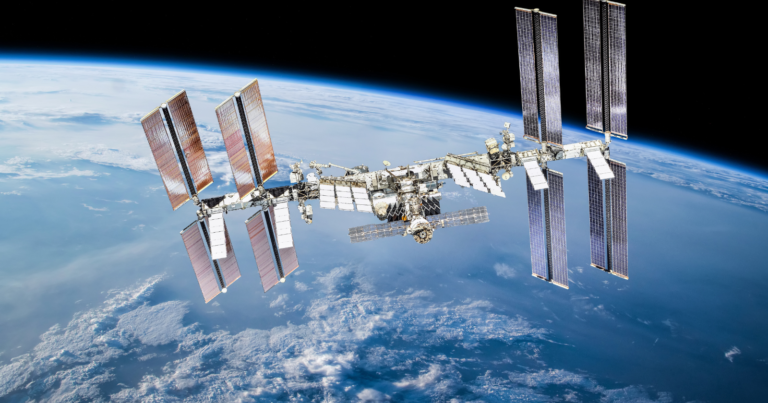 The International Space Station has had people living aboard without a break since November 2, 2000, which means anyone younger than 26 has never lived through a single day when every human being was on Earth
 A Michigan man used a 22-pound rock as a doorstop on his farm for about 30 years before finally taking it to a geologist in 2018, and it turned out to be a meteorite worth around $100,000
 In 1900 a monk in western China opened a hidden cave stuffed with tens of thousands of ancient scrolls, and among them was a paper chart showing more than 1,300 stars, the oldest complete star atlas known from any civilization, drawn around 1,300 years ago
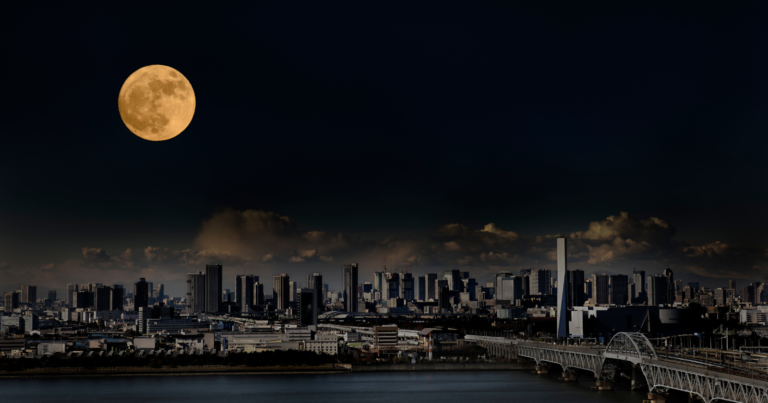 The Moon looks enormous when it rises over the horizon, but it isn’t any bigger or any closer, and it is actually slightly farther away than when it sits high overhead, which means the giant moon you see is an illusion created by your own brain
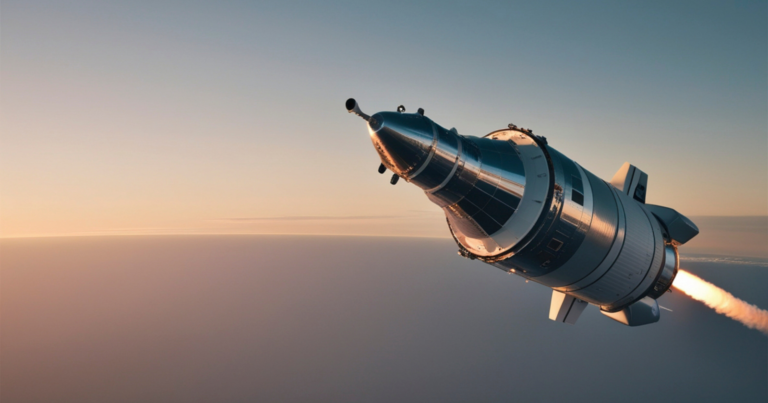 In 1962 an engineer named Robert Truax designed a rocket taller than a 40-story building that would be welded in a shipyard from cheap steel plate, towed out to sea, flooded until it bobbed upright and launched straight out of the ocean, and a shipyard study concluded it could actually be built
 In 1960 two stray Moscow dogs named Belka and Strelka became the first dogs to orbit Earth and come home alive, and a year later Nikita Khrushchev sent one of Strelka’s puppies, a fluffy female called Pushinka, to the White House as a gift for Caroline Kennedy
 In 1954 a grapefruit-sized meteorite smashed through the roof of a house in Sylacauga, Alabama, bounced off a radio and hit Ann Hodges on the hip as she napped on her couch, making her the first person known for certain to have been struck by a space rock
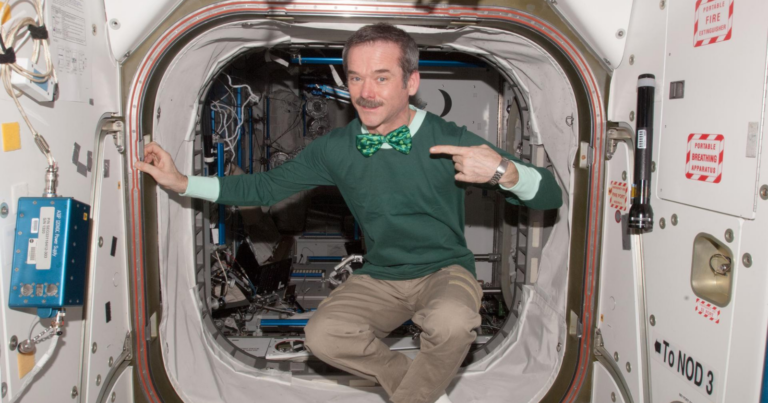 When Chris Hadfield came home from five months on the International Space Station in 2013, he said he could suddenly feel the weight of his own lips and tongue, and had to adjust the way he talked
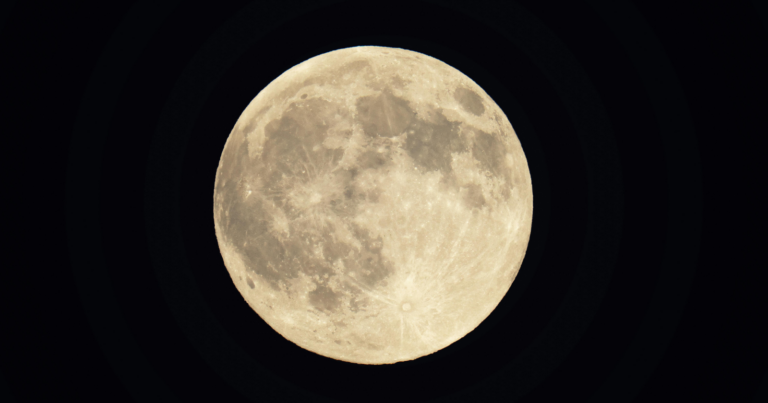 The Moon looks bright white in the night sky, but its surface is actually about as dark as worn asphalt, reflecting only around 12 percent of the sunlight that hits it, and it only seems dazzling because it hangs against the total blackness of space