Exploration
The rockets, spacecraft and missions that carried us off the planet, and the people who flew and built them. From the first satellites to today's crewed flights, these are the stories of how spaceflight actually happened, including the close calls and the plans that never left the ground.
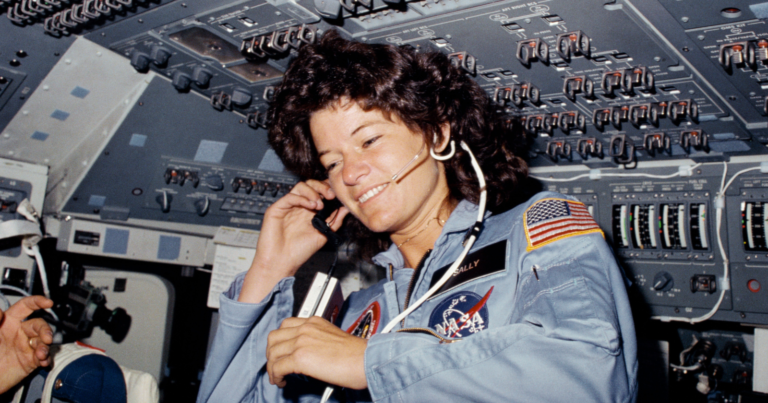 Before Sally Ride became the first American woman in space in 1983, NASA engineers asked her, in all seriousness, whether 100 tampons would be enough for a one-week mission
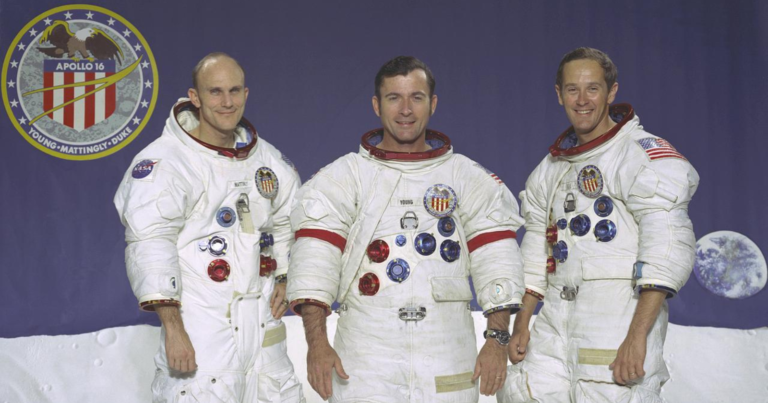 In 1972 Apollo 16 astronaut Charlie Duke left a photo of his wife and two young sons on the Moon, sealed in plastic, with a note on the back saying it was the family of an astronaut from planet Earth, and it is still lying there in the dust
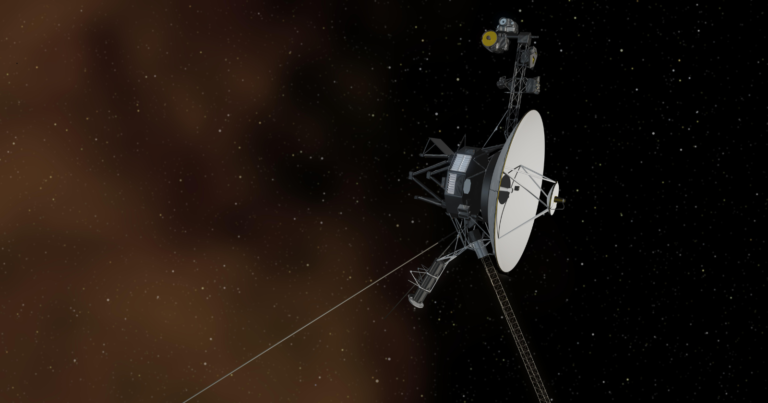 Voyager 1 left Earth in 1977 carrying computers with less memory than a single photo on your phone, and on November 18 it becomes the first object humans have ever built to travel a full light-day from home, about 16 billion miles away
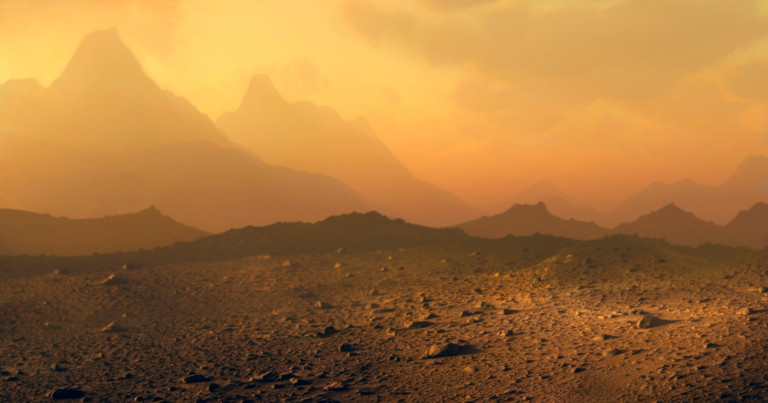 In 1982 the Soviet Venera 14 probe landed on Venus and pressed an instrument into the ground to test how hard the surface was, but by sheer bad luck it touched down right on the camera lens cap the probe had just popped off, so it measured the cap instead
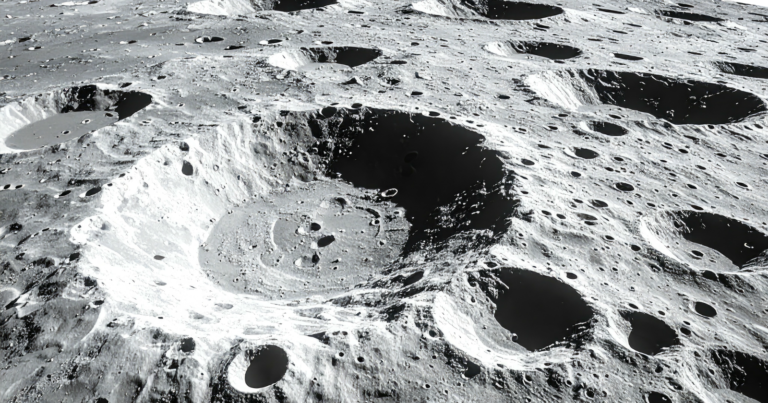 In 1970 a Soviet robot probe drilled into the Moon and flew about 100 grams of soil back to Earth, and in 2018 three tiny grains from that sample, barely visible to the naked eye, sold at auction for $855,000
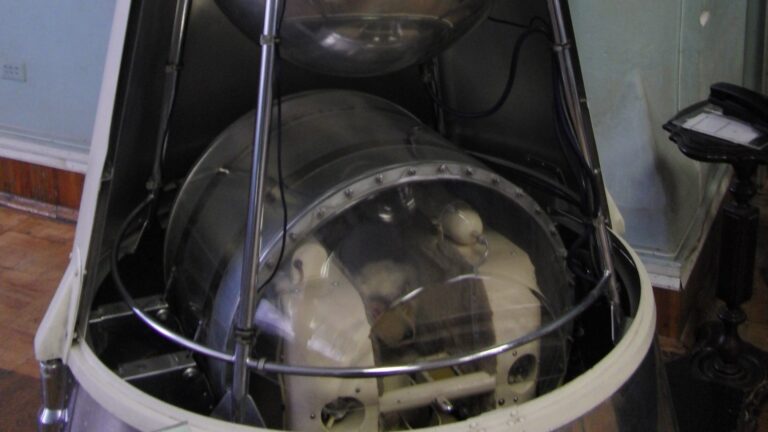 When Laika was launched on 3 November 1957 the world was told she had lived for days in orbit, but she died within hours as her cabin overheated, and one of the scientists who trained her later said the mission did not teach them enough to justify her death
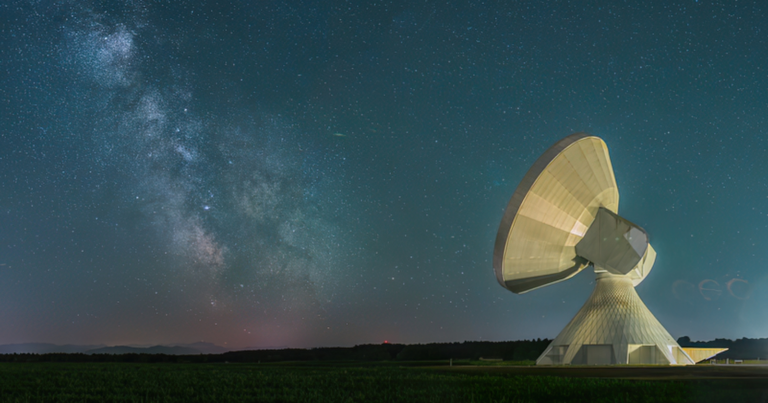 Voyager 2, launched in 1977, is now about 13 billion miles from Earth, and because it left the planets heading south, only one antenna in the world can still send it commands, a 70-meter dish outside Canberra, Australia
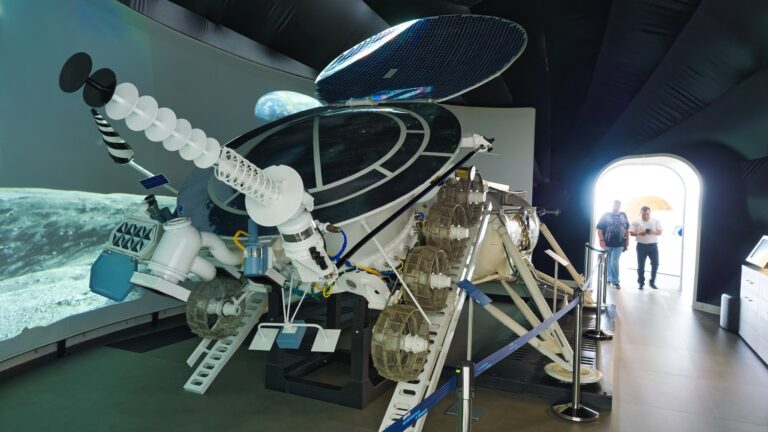 In 1993 a video game designer paid $68,500 at Sotheby's for a Soviet rover that was still sitting on the Moon, and he later said that made him the only private person who owns something on another world
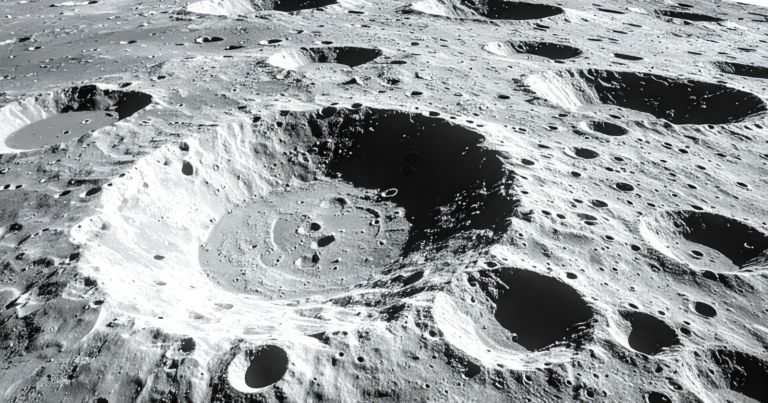 The first photos of the far side of the Moon, taken by a Soviet probe in 1959, were shot on American film salvaged from downed US spy balloons, then developed, dried and scanned inside the spacecraft before being radioed back to Earth
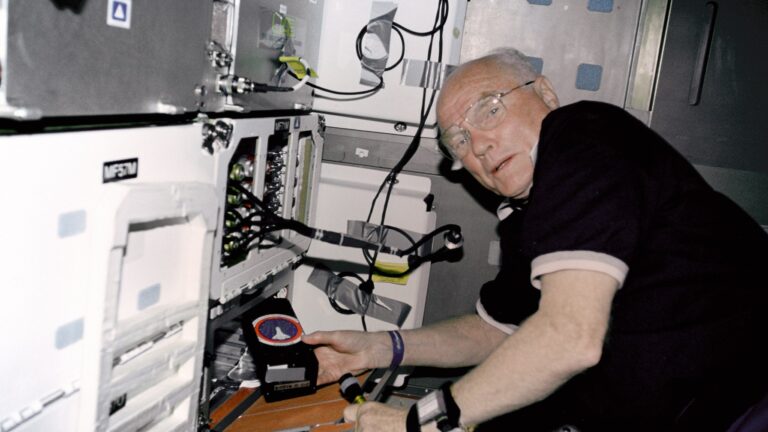 On 29 October 1998 John Glenn went back into orbit at 77, 36 years after he became the first American to circle Earth, and he is still the oldest person ever to reach orbit