Encyclopedia Astronautica
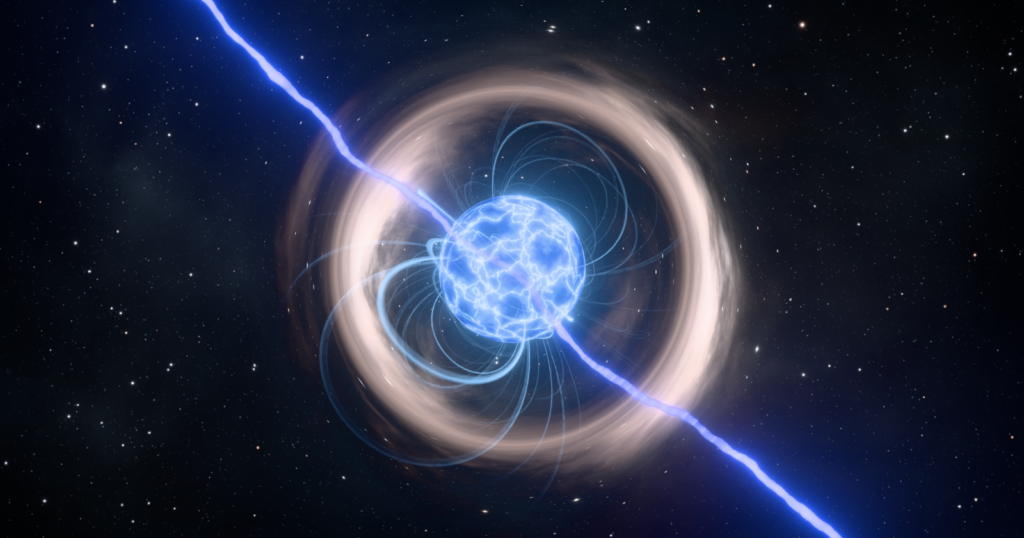 Sky & Earth In 1967, a 24-year-old graduate student named Jocelyn Bell spotted a tiny smudge on hundreds of feet of chart paper, and it turned out to be the first pulsar ever found, but when the Nobel Prize for the discovery was awarded, it went to her supervisor
ExplorationIn 2020 NASA signed a contract to buy a scoop of Moon dirt from a private company for $1, and the point wasn’t the dirt, it was settling who is legally allowed to own a piece of the MoonExplorationIn 1998 the SOHO observatory spun out of control and went silent 1.5 million kilometers from Earth, and engineers found it with a giant radio dish in Puerto Rico, then slowly thawed its frozen fuel, and the spacecraft is still watching the Sun more than 25 years laterExplorationHow does a spacecraft launched in 1977, with less memory than a single photo on your phone, still find its way home with data from 15 billion miles away?
November 16
Today in space history
- 1963Operational test
- 1973High Latitude / Sodium release Atmospheric mission
- 1994Meteorological mission
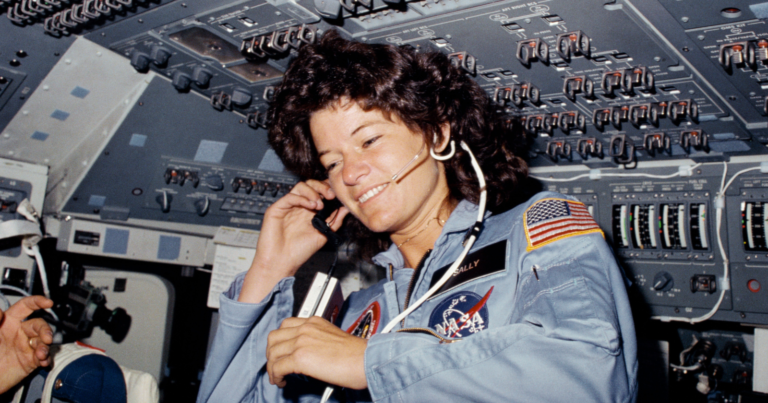 Before Sally Ride became the first American woman in space in 1983, NASA engineers asked her, in all seriousness, whether 100 tampons would be enough for a one-week mission
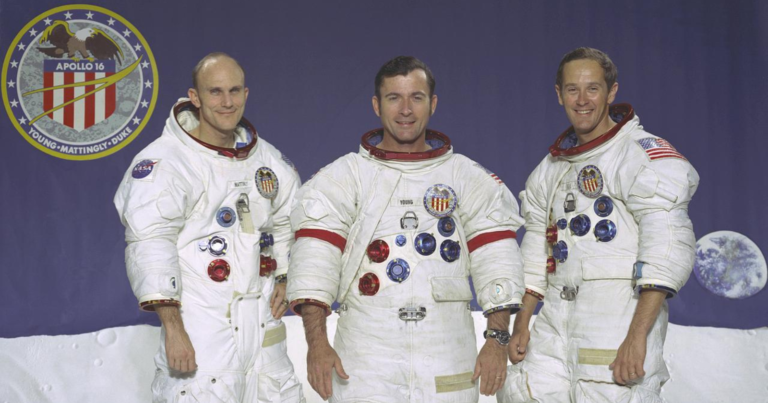 In 1972 Apollo 16 astronaut Charlie Duke left a photo of his wife and two young sons on the Moon, sealed in plastic, with a note on the back saying it was the family of an astronaut from planet Earth, and it is still lying there in the dust
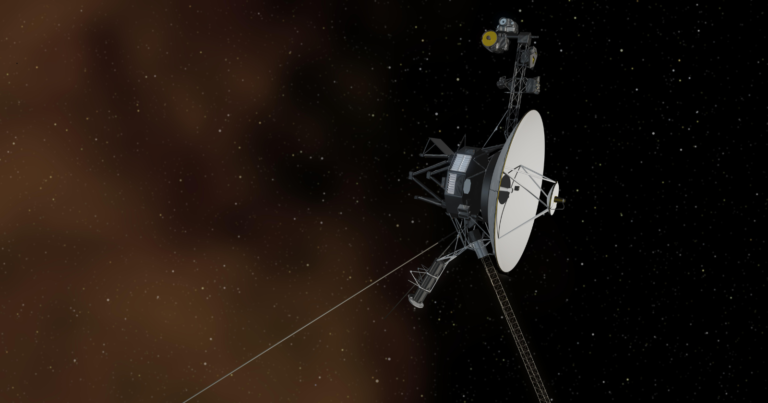 Voyager 1 left Earth in 1977 carrying computers with less memory than a single photo on your phone, and on November 18 it becomes the first object humans have ever built to travel a full light-day from home, about 16 billion miles away
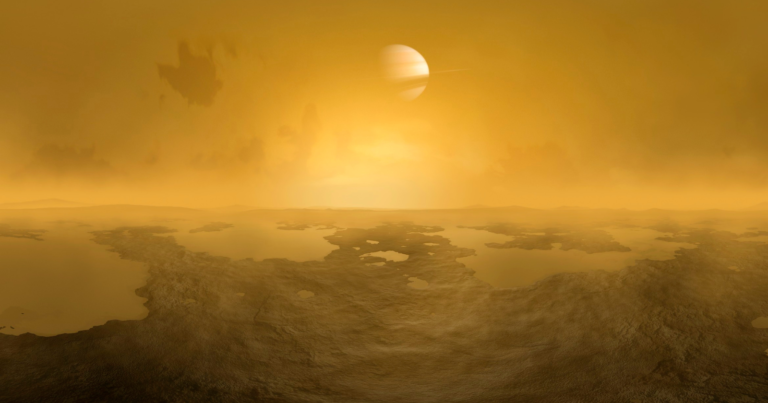 If you stood on the shore of a lake on Saturn’s moon Titan, the waves lapping at your boots would be liquid methane, the pebbles under your feet would be ice as hard as rock, and the air would be so thick and the gravity so weak that you could strap on wings and fly
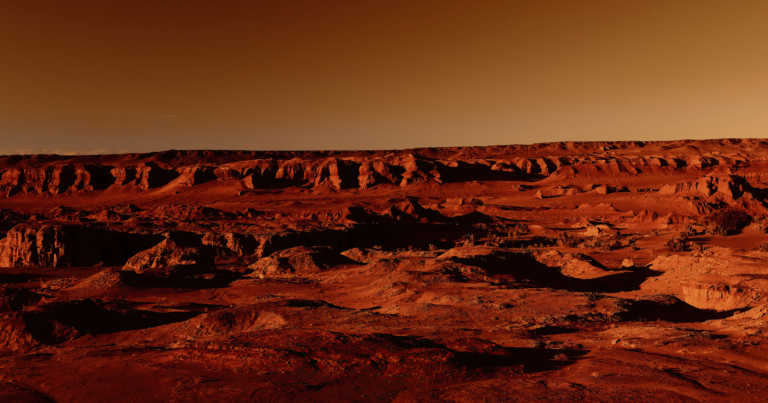 Mars is called the Red Planet, but if you stood on its surface most of the ground around you would look closer to butterscotch or caramel brown, because the red comes from a fine dust of rusted iron that coats everything and hangs in the air
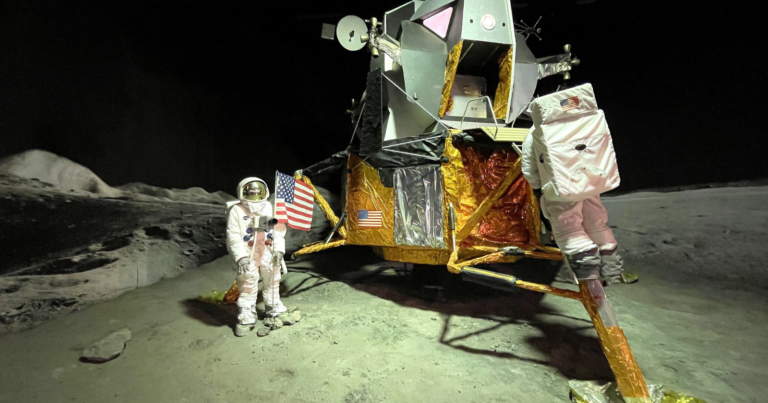 Apollo 11 left a silicon disc about the size of a half-dollar coin on the Moon, and etched onto it, shrunk 200 times too small to read without a microscope, are goodwill messages from the leaders of 73 countries
 Thought of the day from Carl Sagan: “The cosmos is within us. We are made of star-stuff. We are a way for the universe to know itself.”
 A comet’s tail doesn’t stream out behind it like smoke from a moving car, because it always points away from the Sun, which means that as a comet heads back out of the solar system, its tail actually flies out in front of it
 When Japan picked its new astronauts in 2008, the finalists spent a week sealed in an isolation chamber folding 1,000 paper cranes, while psychologists watched to see whether their work got sloppier as the stress built
 In 1969 a fireball broke apart over the small town of Murchison in Victoria, and locals picked warm black stones out of their paddocks and garden beds, never imagining that some of the dust inside them was 7 billion years old, older than the Sun itself
The Encyclopedia · Start here
Every rocket, spacecraft and crew, in one archive
79,433 pages and 13,741 images compiled since 1994, the reference NASA's own history office has pointed researchers to.
- Space history chronologyDay by day, through 2018
- Launch vehiclesRockets and their families
- Crewed spacecraftFlown, planned and unflown
- Engines and propellantsWhat made them fly
- Families and collectionsSpacecraft, rockets and missiles by type
- Launch sitesPads, ranges and cosmodromes
- Space activity by countryNational programs
- Russian and Soviet historyIncluding the Mishin Diaries