
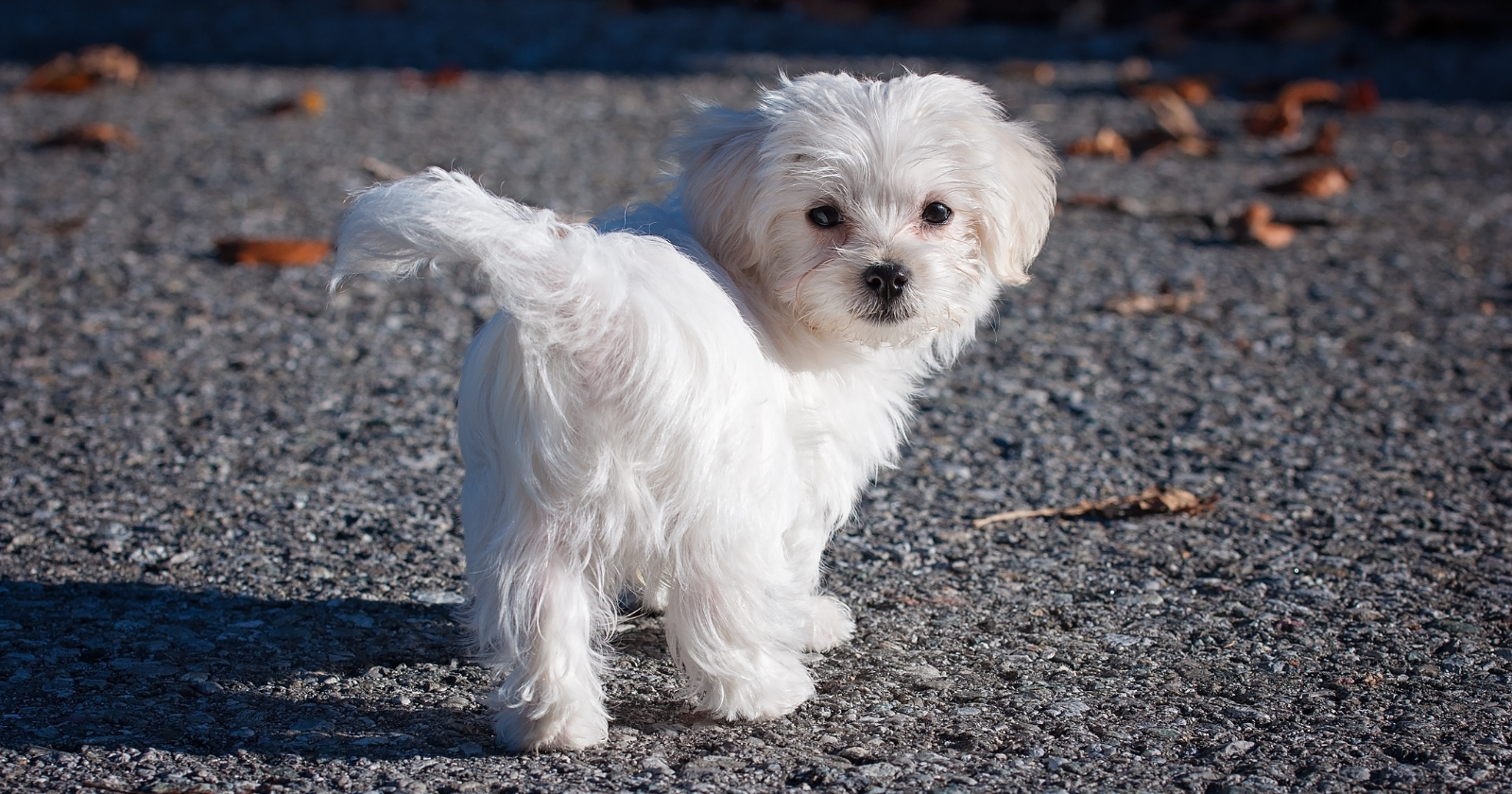
In the summer of 1961, a small white puppy arrived at the White House. She came with a diplomatic escort, a famous pedigree, and a question nobody could quite shake: was she carrying a Soviet listening device?
Her name was Pushinka, which means “Fluffy” in Russian. Her mother had been to space.
From Moscow streets to orbit
The Soviet space program favored stray dogs for its early flights. Dogs that had survived Moscow winters on the streets were thought to be tough, adaptable and good at handling stress. They also had to be small enough to fit in a cramped capsule, and the program preferred females, partly because their spacesuits needed simpler waste-collection gear.
Belka and Strelka were two such dogs. On August 19, 1960, they launched aboard Korabl-Sputnik 2, a test flight for the spacecraft that would soon carry the first human into orbit. They weren’t alone. The capsule also held mice, rats, insects and plants.
They spent about a day in space and circled the Earth 17 times. Then the capsule came down safely, and the two dogs walked out alive.
Why their return mattered
Belka and Strelka weren’t the first dogs in orbit. That was Laika, who flew aboard Sputnik 2 in 1957 on a one-way mission and died during the flight. Just weeks before Belka and Strelka’s launch, two other dogs were killed when their rocket failed shortly after liftoff.
So their safe return was a big deal. It showed that living animals could be launched into orbit and brought home. Less than eight months later, on April 12, 1961, Yuri Gagarin made the first human orbit in a Vostok spacecraft.
Belka and Strelka became instant celebrities in the Soviet Union, appearing on stamps, posters and souvenirs. After their deaths, both were preserved, and they are now on display at the Memorial Museum of Cosmonautics in Moscow.
Strelka’s puppies
After the flight, Strelka gave birth to a litter of six puppies. Their birth was proof that spaceflight hadn’t stopped her from having healthy offspring, which was a relief to scientists wondering about the effects of space travel on the body.
One of those puppies was Pushinka, born in late 1960. She might have stayed a Soviet celebrity’s daughter if not for a dinner conversation in Vienna.
A dinner-table request
In June 1961, President John F. Kennedy and Soviet leader Nikita Khrushchev met in Vienna for their first summit. It was a tense time. The failed Bay of Pigs invasion had happened that spring, and Berlin was a growing flashpoint.
At a state dinner, Khrushchev sat next to Jacqueline Kennedy. According to Caroline Kennedy, her mother ran out of small talk and asked about Strelka. When the subject turned to Strelka’s puppies, Jacqueline Kennedy reportedly joked or hinted that she’d like one.
Khrushchev took her at her word. Not long after the summit, the Soviet ambassador delivered a small white puppy to the White House as a personal gift.
Checked for bugs
Not everyone in Washington was charmed. President Kennedy worried the dog could be carrying a hidden microphone or transmitter. Before she was allowed to settle in, Pushinka was examined to make sure she wasn’t bugged.
She passed. Pushinka joined the Kennedys’ busy collection of pets and became a favorite of Caroline and her brother John Jr. White House staff even trained her to climb a ladder to Caroline’s playhouse and slide down the slide. John Jr. later said sending the dog down that slide was probably his first memory.
The “pupniks”
Pushinka also caught the attention of Charlie, Caroline’s Welsh terrier. In 1963, the two had a litter of four puppies. President Kennedy jokingly called them “pupniks,” a mix of “puppy” and “Sputnik.”
Caroline named them Butterfly, White Tips, Blackie and Streaker. The public wanted them too. Thousands of people wrote to the White House asking for one, and two of the puppies were given to children in the Midwest.
A small thaw in a cold war
Pushinka’s arrival didn’t change the course of the Cold War. Just over a year after the Vienna summit, the Cuban Missile Crisis brought the two superpowers close to nuclear war.
But the story of a space dog’s daughter living at the White House stands out as one of the gentler moments of the period. Two rival nations were racing each other into orbit, and somewhere in the middle of it, a puppy from that race ended up sliding down a playground slide in Washington.