Encyclopedia Astronautica
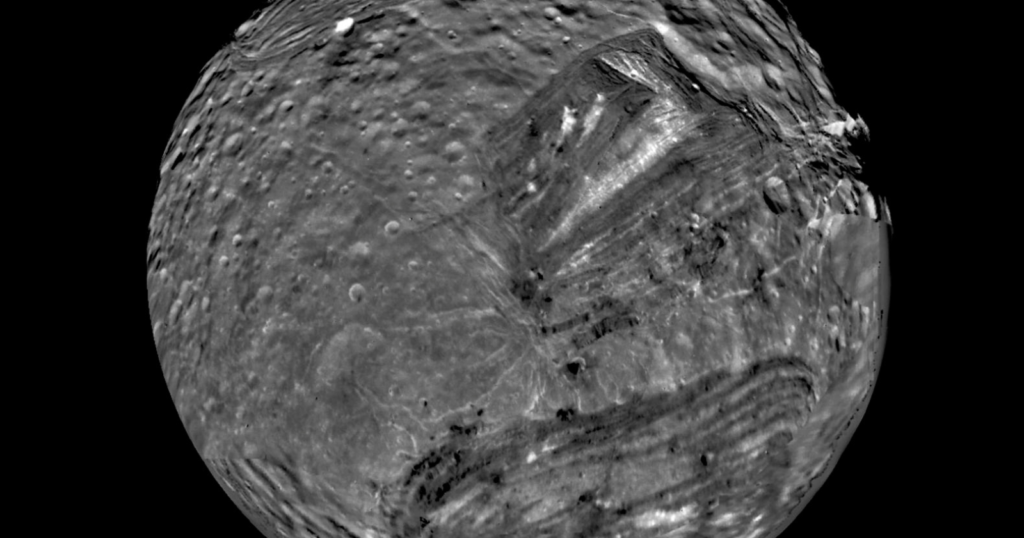 Solar System A cliff on Uranus’s moon Miranda is about six miles high, and because gravity there is less than 1% of Earth’s, anyone who stepped off the top would fall for around eight minutes and reach the bottom at roughly highway speed
ExplorationThe first photos of the far side of the Moon, taken by a Soviet probe in 1959, were shot on American film salvaged from downed US spy balloons, then developed, dried and scanned inside the spacecraft before being radioed back to EarthSolar SystemIn 1982 a Soviet probe survived at least 57 minutes on the surface of Venus, but the instrument built to test the planet's soil landed on the probe's own lens cap and measured that insteadExplorationOn 29 October 1998 John Glenn went back into orbit at 77, 36 years after he became the first American to circle Earth, and he is still the oldest person ever to reach orbit
October 30
Full calendar
Today in space history
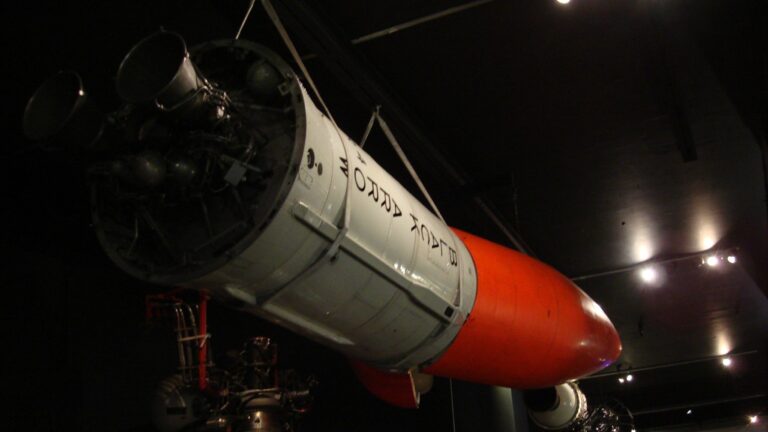 On 28 October 1971 Britain put a satellite into orbit on its own rocket for the first and only time, three months after it had cancelled the rocket
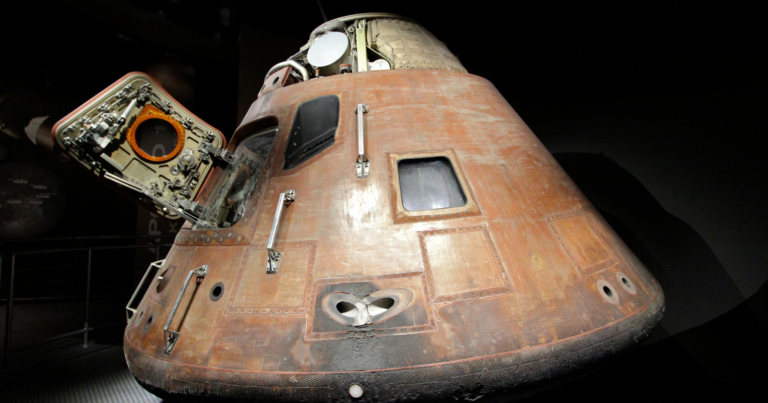 In August 1961 a 25-year-old Soviet cosmonaut named Gherman Titov spent a full day in orbit and became the first person to sleep in space, and he overslept by about half an hour, waking up to find his arms floating in the air in front of him
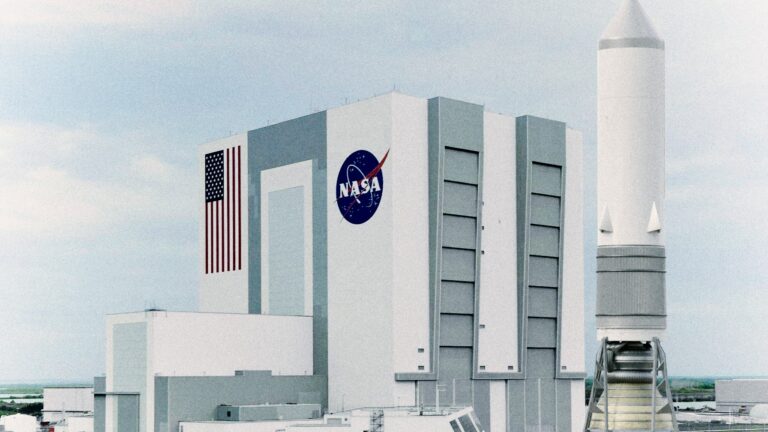 In 1962 an American engineer designed a 150-metre rocket that would be built in a shipyard, towed out to sea and launched straight out of the ocean, able to lift 550 tonnes into orbit, more than the entire International Space Station
 In 1960 two stray Moscow dogs named Belka and Strelka became the first dogs to orbit Earth and come home alive, and a year later Nikita Khrushchev sent one of Strelka’s puppies, a fluffy female called Pushinka, to the White House as a gift for Caroline Kennedy
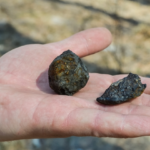 In 1954 a grapefruit-sized meteorite smashed through the roof of a house in Sylacauga, Alabama, bounced off a radio and hit Ann Hodges on the hip as she napped on her couch, making her the first person known for certain to have been struck by a space rock
The Encyclopedia · Start here
Every rocket, spacecraft and crew, in one archive
79,433 pages and 13,741 images compiled since 1994, the reference NASA's own history office has pointed researchers to.
- Space history chronologyDay by day, through 2018
- Launch vehiclesRockets and their families
- Crewed spacecraftFlown, planned and unflown
- Engines and propellantsWhat made them fly
- Families and collectionsSpacecraft, rockets and missiles by type
- Launch sitesPads, ranges and cosmodromes
- Space activity by countryNational programs
- Russian and Soviet historyIncluding the Mishin Diaries