
What do you leave your family when you are about to ride a Saturn V to the Moon and nobody can promise you will come back?
For the crew of Apollo 11 in the summer of 1969, part of the answer was a stack of envelopes.
A risk nobody wanted to price
By 1969, NASA astronauts were famous, respected and well trained. They were not, by the standards of the risk they took, well paid. Armstrong, Aldrin and Collins were government employees on government salaries.
Life insurance was the obvious way to protect their wives and children. But there was very little history to judge the danger by. Only a few dozen people had ever flown in space, three American astronauts had died in the Apollo 1 fire two years earlier, and no one had ever tried to land on the Moon.
Cover for a job like that was either unavailable or eye-wateringly expensive. Buzz Aldrin later wrote that the crew had been unable to get adequate life insurance because of the high-risk nature of the work.
They did have something insurers could not put a price on, though: their names.
Signing in quarantine
About a month before launch, the three men went into quarantine to avoid catching anything that might ground them. In the quiet hours between training and briefings, they signed envelopes. Hundreds of them.
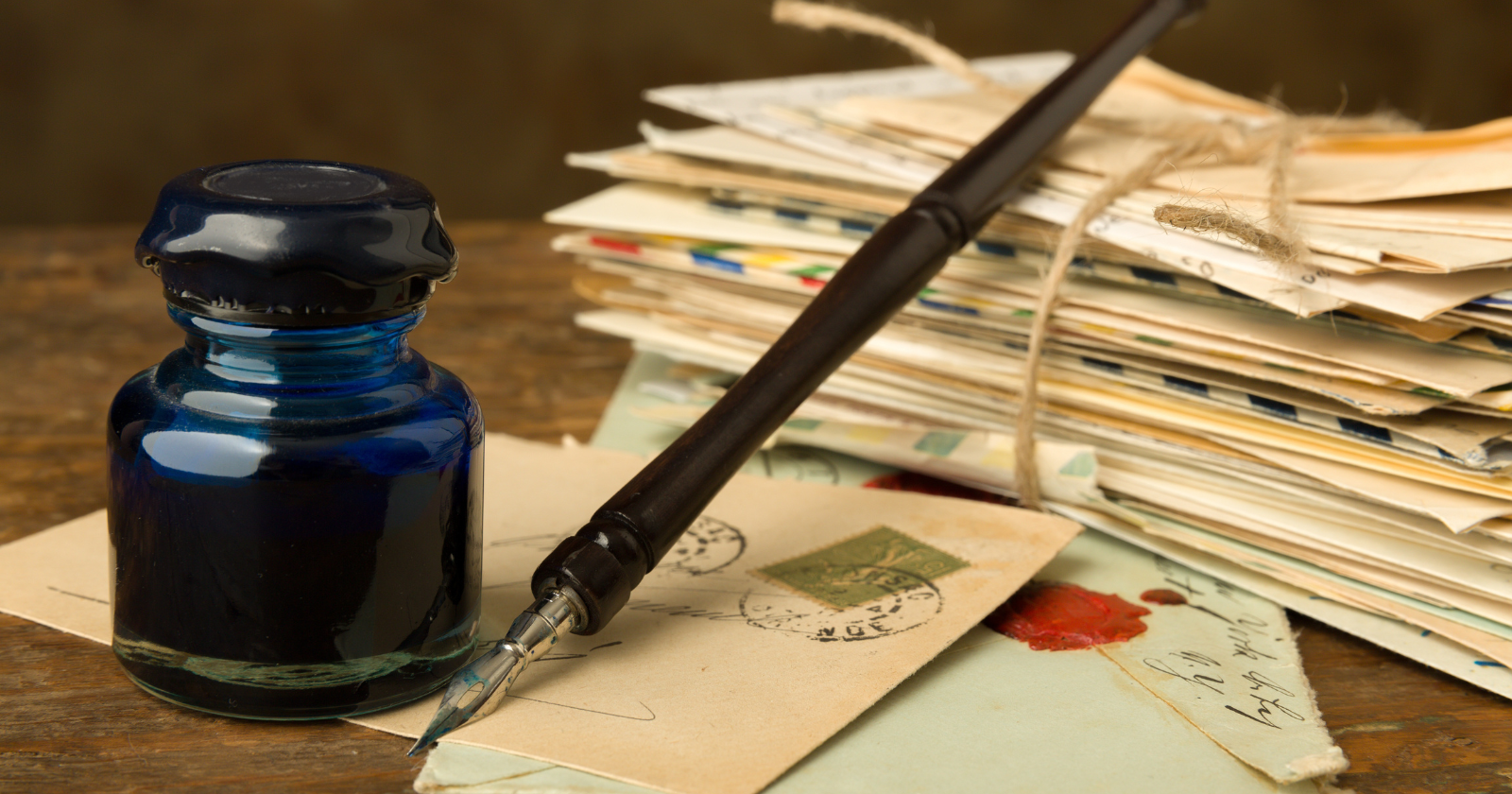
Stamp collectors call these "covers". They are envelopes printed with a design, or cachet, then stamped and postmarked on a date that matters. The Apollo 11 crew used three designs, including one from the stamp club at NASA's Manned Spacecraft Center in Houston and another showing the mission emblem.
Each was signed by all three men: Neil Armstrong, Buzz Aldrin and Michael Collins.
The crew passed the signed covers to a trusted friend. On launch day, 16 July 1969, he took them to the post office at Kennedy Space Center so they carried that day's postmark. Others were postmarked in Houston on 20 July, the day of the Moon landing. The covers were then shared out evenly among the three families.
Why the postmark mattered
An astronaut's autograph was already worth something in 1969. Collectors had been asking for them since the first crews were named.
But a cover signed before the flight, and postmarked on the very day the crew left Earth, would have been something else if the mission had ended in disaster. It would have been one of the last things those men ever signed, stamped with the date they died or were lost.
That was the grim logic. If the worst happened, the families could sell the covers one at a time to collectors, and keep selling them for years.
The Apollo 11 crew knew how real that possibility was. The White House had a speech ready in case Armstrong and Aldrin were stranded on the Moon. It was titled "In Event of Moon Disaster".
Never needed
The speech was never read and the covers were never cashed in. Apollo 11 landed safely, and the crew came home on 24 July to a world that wanted their autographs more than ever.
The idea stuck, though. Later crews signed their own insurance covers before launch, and the practice continued through Apollo 16 in 1972.
For decades the envelopes stayed in family drawers. Then, in the 1990s, they began appearing at space memorabilia auctions. Robert Pearlman, a space historian and editor of the collecting site collectSPACE, told NPR in 2012 that an Apollo 11 insurance cover could fetch as much as $30,000.
Many now sell for less, but they remain some of the most sought-after items in space collecting, because they are tied so directly to the first Moon landing. In 2014, a cover from Armstrong's own collection was auctioned to raise money for the Astronaut Scholarship Foundation, which funds science and engineering students.
The last line of defence
In 1969, three men about to make the most dangerous journey anyone had attempted protected their families with felt-tip pens, envelopes and a trip to the post office.
Each signed cover was worth only what a stranger would pay for it, and it would have been worth the most only if they never came back.