
On 14 July 2026, a Soyuz rocket rose into the sky over the flat steppe of southern Kazakhstan. On board were two Russian cosmonauts and a NASA astronaut, heading for the International Space Station.
The launch was routine, but its location says a lot about history. The Baikonur Cosmodrome, Russia’s home for crewed launches, isn’t in Russia at all. Since 1991, it has been in another country, and Russia rents it.
A secret base on the steppe
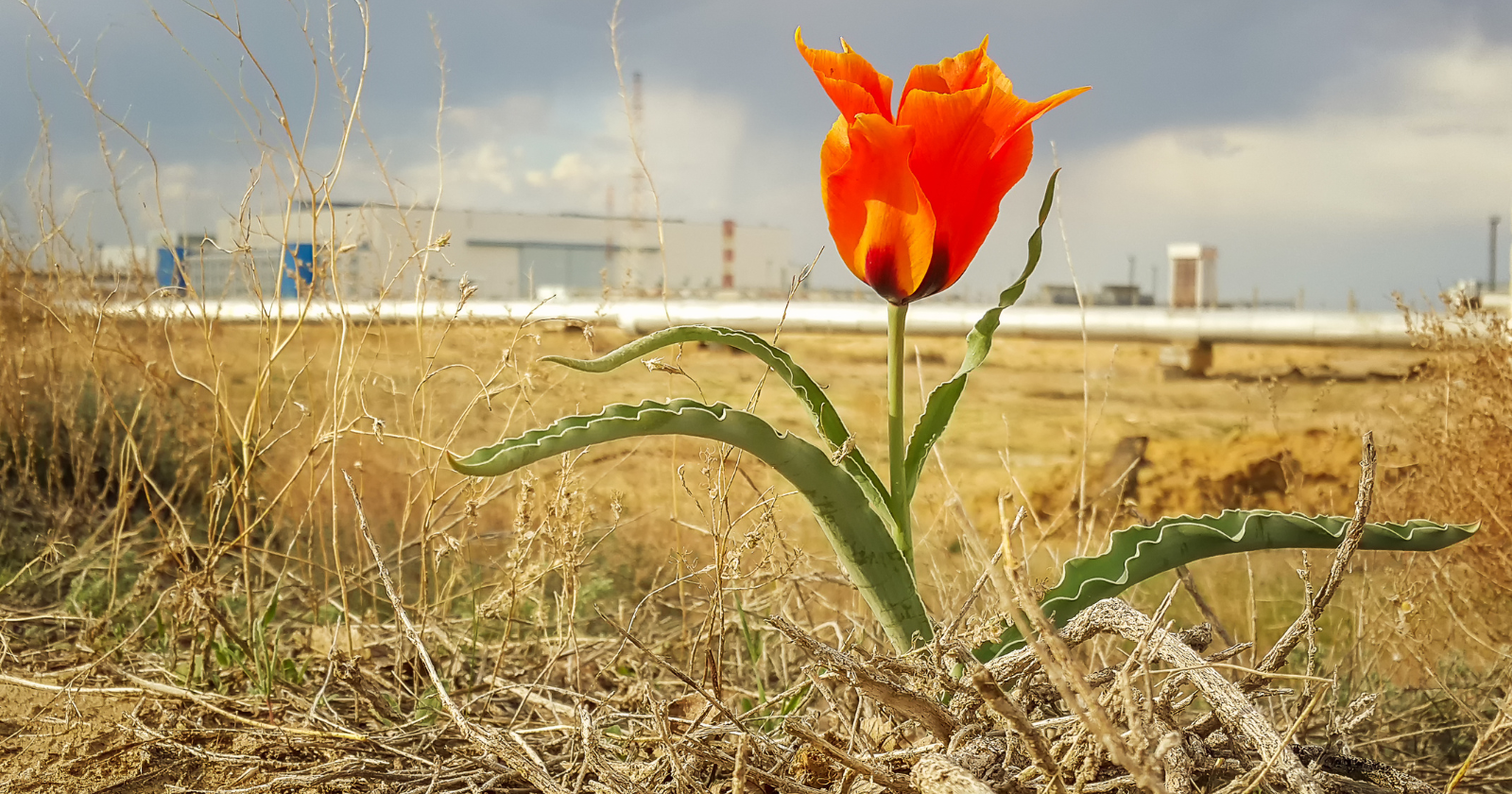
The Soviet Union began building the launch site in 1955 on the remote, dry plains of what was then the Kazakh Soviet Socialist Republic. The location was chosen partly because it was far from prying eyes and partly because launching further south gives rockets a small boost from Earth’s rotation.
The name itself was a piece of misdirection. The real town of Baikonur lies about 300 kilometres away, and the Soviets used its name to confuse Western intelligence about the site’s true location.
Where the space age began
Baikonur saw some of the most important moments in space history. In October 1957, the world’s first artificial satellite, Sputnik 1, launched from there. In April 1961, Yuri Gagarin lifted off from the same pad to become the first person in space.
Over the following decades, Baikonur launched Soviet cosmonauts, space stations and missions to the Moon, Venus and Mars. The pad Gagarin used, known as Gagarin’s Start, kept sending crews into space until 2019.
A spaceport in a new country
When the Soviet Union collapsed in 1991, its republics became independent countries. Kazakhstan was one of them, and Baikonur suddenly lay within its borders.
Russia needed the site to keep its space programme running, so the two countries reached an agreement. Russia leases the cosmodrome and the nearby city, which was renamed Baikonur in 1995. In 2004, the lease was extended to 2050. Russia pays Kazakhstan about $115 million a year.
Launching to the ISS
When the International Space Station was built from 1998, Russia’s Soyuz spacecraft became one of its two main lifelines, alongside the US Space Shuttle. All of Russia’s crewed Soyuz flights to the station have launched from Baikonur.
After the Shuttle retired in 2011, Soyuz was the only way for anyone to reach the station for nearly a decade. American, European, Japanese and Canadian astronauts all travelled to Kazakhstan to launch. Today, Russian and American crews still swap seats, so NASA astronauts continue to fly from Baikonur.
A single point of failure
Russia now uses just one pad at Baikonur, Site 31, for crewed launches. In November 2025, the launch of Soyuz MS-28 damaged the pad, causing part of a service platform to collapse. For several months, Russia had no way to launch cosmonauts.
Roscosmos completed repairs in March 2026 and resumed launches from the site later that month. The episode highlighted how dependent Russia’s crewed space programme is on a single launch pad in another country.
Moving home
Russia has been building a new spaceport on its own soil, Vostochny, in the Far East, which first launched a rocket in 2016. It’s meant to eventually take over crewed launches, though progress has been slow.
For now, Baikonur remains central to Russian spaceflight. More than six decades after Gagarin’s flight, the cosmodrome on the Kazakh steppe is still where Russia’s journeys to space begin, even though it no longer belongs to Russia.