
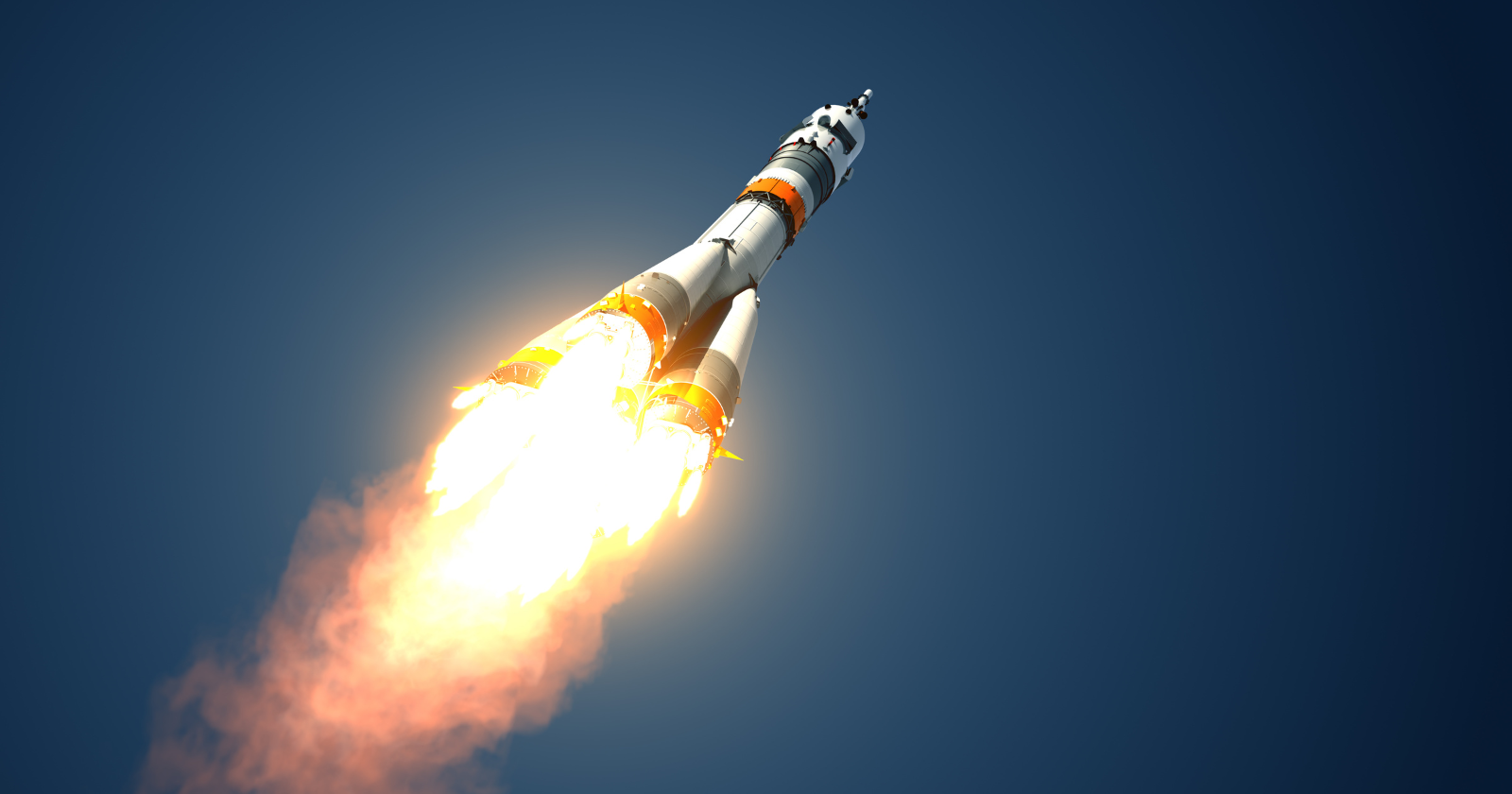
On 14 July 2026, NASA astronaut Anil Menon squeezed into a Soyuz capsule on top of a rocket at the Baikonur Cosmodrome in Kazakhstan. Strapped in beside him were two Russian cosmonauts, Pyotr Dubrov and Anna Kikina.
As the countdown ran, the voices in Menon’s headset spoke Russian. The labels on the control panels in front of him were in Russian. So were the checklists strapped to his knee. For Menon, like every NASA astronaut who has ridden a Soyuz, getting there had meant months of training in a small town outside Moscow.
A town built for cosmonauts
Star City, or Zvyozdny Gorodok, lies in the forests about 25 kilometres northeast of Moscow. It was built in the 1960s as a closed military town to train the first Soviet cosmonauts, including Yuri Gagarin.
Today it’s home to the Yuri Gagarin Cosmonaut Training Centre. It holds full-sized simulators of the Soyuz and the Russian segment of the International Space Station, a giant centrifuge and a deep pool for practising spacewalks. Cosmonauts and their families live there, alongside a small community of visiting astronauts from other countries.
Why NASA astronauts go to Russia
NASA astronauts have trained in Star City since the 1990s, when Norman Thagard prepared to become the first American to launch on a Russian rocket in 1995. After the Space Shuttle retired in 2011, the Soyuz became the only way to get people to the ISS for nearly a decade, and dozens of NASA astronauts went through Star City.
SpaceX’s Crew Dragon now carries most American crews. But NASA and Russia’s space agency, Roscosmos, still swap seats so each country always has someone on the station if one spacecraft is grounded. That means some NASA astronauts still fly on Soyuz, and Russian cosmonauts ride Crew Dragon.
Learning a spacecraft in Russian
The Soyuz was designed in the Soviet Union, and its systems were never translated into English. The labels on the controls, the computer displays and the thick books of procedures are all in Russian. During launch and landing, the crew speaks with Russian mission control near Moscow in Russian.
So NASA astronauts must learn Russian well enough to use it under pressure. Many study the language for a year or more before their flight, then spend months at Star City learning the Soyuz systems in lessons taught in Russian. They sit exams, often oral, to prove they can handle the spacecraft and its emergencies.
In the simulator
Much of the training happens in Soyuz simulators, which copy the cramped capsule closely. Crews practise launches, dockings and landings again and again. Instructors throw in problems such as fires, air leaks and computer failures, and the crew has to solve them using the Russian checklists.
The Soyuz commander is always a Russian cosmonaut. A NASA astronaut usually serves as flight engineer, helping to monitor systems and work through procedures. The crew also trains for emergencies after landing, including survival in snow or water in case the capsule comes down far off course.
A shared language in space
Once on the ISS, crews often mix English and Russian, a blend that’s sometimes jokingly called “Runglish”. The American and Russian parts of the station have different systems, so many astronauts and cosmonauts learn to work in both languages.
Many NASA astronauts have described the Russian training as one of the hardest parts of preparing for flight. Learning complex technical systems is difficult enough in your own language. Doing it in a second language, while far from home, adds an extra challenge.
Cooperation that continues
The Soyuz partnership has continued despite political tensions between the United States and Russia since 2022. Menon’s July launch was attended by NASA Administrator Jared Isaacman, the first NASA chief to visit Baikonur in eight years. Menon is now aboard the station on an eight-month mission.
When he returns to Earth, he’ll ride the same Soyuz down, working through the landing in Russian, just as he practised in Star City. For more than three decades, that small town in the woods outside Moscow has quietly been part of the training of American astronauts.