
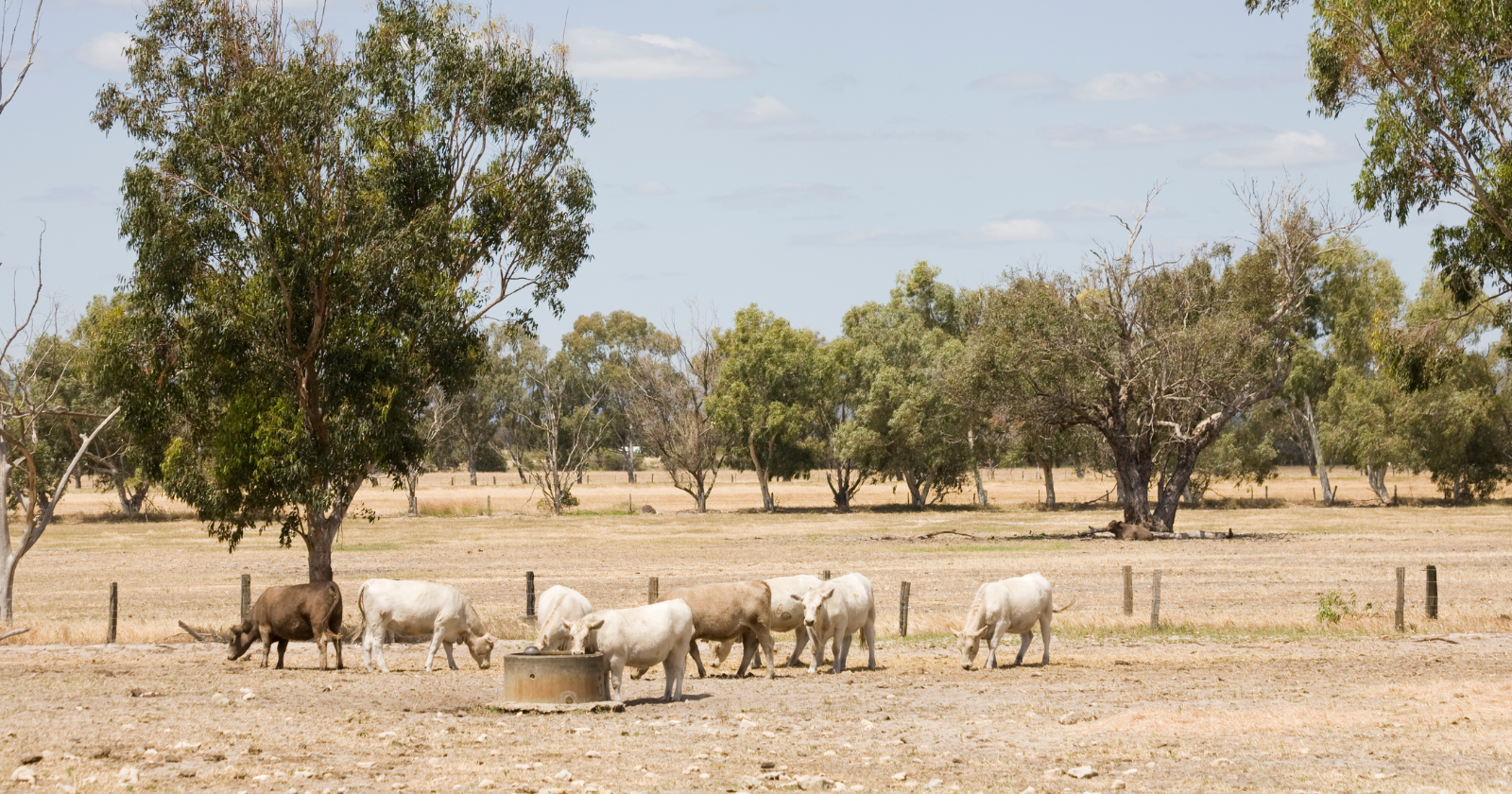
It was a quiet Sunday morning in Murchison, a small farming town in Victoria, Australia, about 100 miles north of Melbourne. At about 11 a.m. on September 28, 1969, as some people were getting ready for church, a series of loud booms rolled across the town.
A fireball streaked across the sky, trailing smoke, and broke apart overhead. Moments later, dark stones began falling into paddocks, onto roofs and across roads. One crashed through the roof of a hay shed.
A strange smell over town
As locals gathered up the fragments, many noticed something odd. The black stones gave off a strong smell, which people described as something like methylated spirits, the denatured alcohol used for cleaning and fuel.
Witnesses later told scientists that the smell seemed to hang over the whole area. It came from organic chemicals inside the meteorite, released as it was broken apart and exposed to the air.
Fragments were found scattered across an area about 7 miles long. In total, more than 220 pounds, or about 100 kilograms, of the meteorite was recovered, from pieces smaller than a fingernail to chunks weighing several pounds.
A rare kind of meteorite
The Murchison meteorite turned out to be a carbonaceous chondrite, a rare type of stony meteorite rich in carbon and organic compounds. These meteorites come from asteroids that formed early in the solar system’s history and have stayed largely unchanged since then.
That makes them time capsules. Most rocks on Earth have been melted, crushed and recycled by geology over billions of years. But Murchison’s parent asteroid preserved material from before the planets formed.
Building blocks of life
Scientists quickly realized Murchison was special. Within months, researchers found amino acids inside it, the building blocks of proteins. Later studies found many more organic molecules, including components of DNA and RNA, and the sugar ribose.
None of this means the meteorite contained life. But it showed that some of the chemical ingredients needed for life can form in space and be delivered to planets like Earth.
Dust older than the Sun
The most remarkable discovery came in 2020. A team led by Philipp Heck of the Field Museum in Chicago studied tiny grains of silicon carbide extracted from the meteorite. These presolar grains, which are mostly smaller than the width of a human hair, formed around stars that died before our solar system existed.
By measuring how long the grains had been exposed to cosmic rays drifting through space, the team estimated their ages. Most were somewhat older than the Sun, which formed about 4.6 billion years ago. But some were up to about 7 billion years old, making them the oldest solid material ever found on Earth.
A baby boom of stars
The ages of the grains also offered a clue about the history of our galaxy. Many of them seemed to come from stars that formed around 7 billion years ago, suggesting a burst of star formation in the Milky Way at that time.
Stars don’t release dust for most of their lives. It’s only near the end, when they swell into red giants and shed their outer layers, that they scatter dust into space. Some of that dust was later swept into the cloud of gas that formed the Sun, the planets and the asteroid that would one day break apart over Murchison.
Where the meteorite is now
Fragments of the Murchison meteorite are held by museums and research institutions around the world, including the Field Museum and the Smithsonian. Scientists still study it today, more than 55 years after it fell.
In Murchison itself, the local historical society keeps a fragment on display and celebrates the anniversary of the fall. For a small farming town, it’s an extraordinary claim to fame.
Looking at the sky differently
If you ever see a fireball, note the time, the direction it traveled and where it seemed to end, and report it to a local astronomy group or museum. If you find a suspected meteorite, avoid handling it with bare hands if you can, and keep it in a clean, dry bag. Then contact a museum or university.
The people of Murchison had no idea, on that Sunday morning in 1969, that the strange-smelling stones in their paddocks held dust older than the Sun.